





How to Get Ready for a Rental
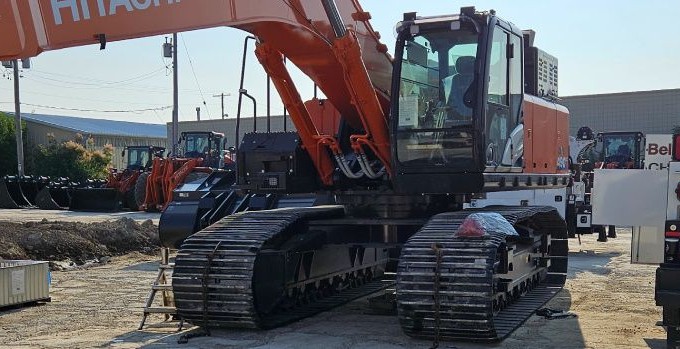
Getting ready for a rental starts the day you reserve, because nothing leaves one of our locations until two things are on file: your account or prepayment, and proof of insurance. Start both that day. If the job involves digging, call Diggers Hotline as soon as you have your start date, so the marks are down when the machine shows up. On delivery day, have a firm, level spot ready to unload, and walk around the machine with the driver before it goes to work. The photos, the hour meter reading, and the fuel level you write down then are what settle any question when the machine goes back.
The day you reserve
Set up your account or prepayment. An account takes a credit application, which is on our Finance page, so send it in right away. Without an account, you prepay the rental, and we keep a credit card on file.
Call your insurer the day you reserve, because they’re the ones who issue the proof of insurance and it has to be on file before the machine goes out. Your policy has to carry property and liability coverage on the machine, and the proof has to name Kelbe Brothers Equip. Co. Inc. as additional insured and loss payee. If you don’t have an insurer, our rental department can recommend one.
If the job involves digging, Wisconsin law requires a call to Diggers Hotline (811) at least three working days before you dig (Wis. Stat. 182.0175), and working days don’t count Saturdays, Sundays, or legal holidays. If the digging doesn’t start within 10 days of the date you gave, or stops for more than 10 days, the law requires a second call.
Read the rental contract before you sign it, and ask us about anything in it.
The job site
Clear a firm, level place for the truck and trailer to unload. Decide where the machine will sit overnight, off the street and somewhere it won’t be in the way. If we’re delivering, agree on a time and put it in your schedule, so the crew isn’t waiting on the machine.
When the truck arrives
Before the machine goes to work, walk around it with the driver. Look for dents, cracked glass, cuts in the tires or tracks, hydraulic leaks, and missing or broken bucket teeth, and take photos of anything you find. Those photos are your record when the machine goes back.
Write down the hour meter reading and photograph it. Your rate covers 8, 40, or 160 machine hours, and the meter is how they’re counted. Check the fuel and DEF gauges, because the machine leaves us full and has to come back full, or the fuel is charged. Then do the daily walkaround in the operator’s manual before the first start.
While you have it
If anything goes wrong with the machine, call us. When the machine is damaged while you have it, take photos, then notify your insurer and us right away. A theft is a police report first, then a call to your insurer and to us.
Talk to a location near you
Call or text, or send us the question through our contact page.